Showing posts with label Carbon dioxide. Show all posts

Tuesday, June 08, 2010

Ocean Acidification in the Arctic: What Are the Consequences of Carbon Dioxide Increase on Marine Ecosystems


Carbon dioxide (CO2) emissions not only lead to global warming, but also cause another, less well-known but equally disconcerting environmental change: ocean acidification. A group of 35 researchers of the EU-funded EPOCA project have just started the first major CO2 perturbation experiment in the Arctic Ocean. Their goal is to determine the response of Arctic marine life to the rapid change in ocean chemistry.


Ocean acidity has increased by 30% since preindustrial times due to the uptake of anthropogenic CO2. It is projected to rise by another 100% before 2100 if CO2 emissions continue at current rates. Polar seas are considered particularly vulnerable to ocean acidification because the high solubility of CO2 in cold waters results in naturally low carbonate saturation states. CO2 induced acidification will easily render these waters sub-saturated, where seawater becomes corrosive for calcareous organisms. By the time atmospheric CO2 exceeds 490 parts per million (2040 to 2050, depending on the scenario considered), more than half of the Arctic Ocean is projected to be corrosive to aragonite. Arctic waters are home to a wide range of calcifying organisms, both in benthic and pelagic habitats, including shell fish, seas urchins, coralline algae, and calcareous plankton. Many of these are key species providing crucial links in the Arctic food web, such as the planktonic pteropods, which serve as food for fishes, seabirds and whales.
To study the impacts of ocean acidification on plankton communities, the Leibniz Institute of Marine Sciences (IFM-GEOMAR) has deployed nine mesocosms in the Kongsfjord off the north-western coast of Spitsbergen (Svalbard) supported by the Greenpeace vessel Esperanza. Each of the giant, 17 m long 'test tubes' holds about 50 cubic metres of seawater. The enclosed plankton community is exposed to a range of different CO2 levels as expected to develop between now and the middle of the next century and is closely monitored over a 6-week period. The EPOCA scientists, who are stationed at the Ny Ă…lesund research station, are sampling the mesocosms daily from zodiacs with plankton nets, water samplers and pumps, and conduct measurements with profiling sensors and in situ probes. The multidisciplinary experiment, which will last until mid July, involves molecular and cell biologists, marine ecologists and biogeochemists, ocean and atmospheric chemists. The scientists expect new results about the sensitivities of Arctic plankton communities to ocean acidification and their impacts on the Arctic food web and biodiversity, the cycling of carbon, nutrients and other elements, the production of climate relevant gases and their exchange with the atmosphere.

Leibniz Institute of Marine Sciences (IFM-GEOMAR) (2010, June 4). Ocean Acidification in the Arctic: What are the consequences of carbon dioxide increase on marine ecosystems?. ScienceDaily. Retrieved June 8, 2010, from http://www.sciencedaily.com­ /releases/2010/06/100603092018.htm

Friday, April 02, 2010

Ocean Acidification: 'Evil Twin' Threatens World's Oceans, Scientists Warn


The rise in human emissions of carbon dioxide is driving fundamental and dangerous changes in the chemistry and ecosystems of the world's oceans, international marine scientists have warned.


"Ocean conditions are already more extreme than those experienced by marine organisms and ecosystems for millions of years," the researchers say in the latest issue of the journal Trends in Ecology and Evolution.
"This emphasises the urgent need to adopt policies that drastically reduce CO2 emissions."
Ocean acidification, which the researchers call the 'evil twin of global warming', is caused when the CO2 emitted by human activity, mainly burning fossil fuels, dissolves into the oceans. It is happening independently of, but in combination with, global warming.
"Evidence gathered by scientists around the world over the last few years suggests that ocean acidification could represent an equal -- or perhaps even greater threat -- to the biology of our planet than global warming," co-author Professor Ove Hoegh-Guldberg of the ARC Centre of Excellence for Coral Reef Studies and The University of Queensland says.
More than 30% of the CO2 released from burning fossil fuels, cement production, deforestation and other human activities goes straight into the oceans, turning them gradually more acidic.
"The resulting acidification will impact many forms of sea life, especially organisms whose shells or skeletons are made from calcium carbonate, like corals and shellfish. It may interfere with the reproduction of plankton species which are a vital part of the food web on which fish and all other sea life depend," he adds.
The scientists say there is now persuasive evidence that mass extinctions in past Earth history, like the "Great Dying" of 251 million years ago and another wipeout 55 million years ago, were accompanied by ocean acidification, which may have delivered the deathblow to many species that were unable to cope with it.
"These past periods can serve as great lessons of what we can expect in the future, if we continue to push the acidity the ocean even further" said lead author, Dr. Carles Pelejero, from ICREA and the Marine Science Institute of CSIC in Barcelona, Spain.
"Given the impacts we see in the fossil record, there is no question about the need to immediately reduce the rate at which we are emitting carbon dioxide in the atmosphere," he said further.
"Today, the surface waters of the oceans have already acidified by an average of 0.1 pH units from pre-industrial levels, and we are seeing signs of its impact even in the deep oceans," said co-author Dr. Eva Calvo, from the Marine Science Institute of CSIC in Barcelona, Spain.
"Future acidification depends on how much CO2 humans emit from here on -- but by the year 2100 various projections indicate that the oceans will have acidified by a further 0.3 to 0.4 pH units, which is more than many organisms like corals can stand," Prof. Hoegh-Guldberg says.
"This will create conditions not seen on Earth for at least 40 million years."
"These changes are taking place at rates as much as 100 times faster than they ever have over the last tens of millions of years" Prof. Hoegh-Guldberg says.
Under such circumstances "Conditions are likely to become very hostile for calcifying species in the north Atlantic and Pacific over the next decade and in the Southern Ocean over the next few decades," the researchers warn.
Besides directly impacting on the fishing industry and its contribution to the human food supply at a time when global food demand is doubling, a major die-off in the oceans would affect birds and many land species and change the biology of Earth as a whole profoundly, Prof. Hoegh-Guldberg adds. ARC Centre of Excellence in Coral Reef Studies (2010, April 1). Ocean acidification: 'Evil twin' threatens world's oceans, scientists warn. ScienceDaily. Retrieved April 2, 2010, from http://www.sciencedaily.com­ /releases/2010/03/100330092821.htm

Tuesday, March 16, 2010

Ocean acidification: another path to EPA rules on carbon emissions?


Move over global warming. Ocean acidification is getting its day in court.Nearly three years after the US Supreme Court found that carbon dioxide was a pollutant that fell under the purview of the Clean Air Act, the US Environmental Protection Agency has agreed to explore approaches for tightening its regulations dealing with ocean acidification under the Clean Water Act.Ocean acidification results from the ocean's uptake of carbon dioxide from the atmosphere. Many scientists have become increasingly concerned about the effect industrial emissions of CO2 are having on the chemistry of the world's oceans and about the fallout for many species of marine animals.The oceans take up as much as half the CO2 emissions humans pump into the atmosphere each year.The agreement, reached Thursday in the US District Court in Seattle, stems from a 2009 lawsuit filed by the Center for Biological Diversity, a conservation group based in San Francisco.The center argued that the acidity in Washington State's coastal waters had increased sufficiently to violate EPA standards, but that the state and the EPA failed to list the waters as "impaired." That designation triggers a process for reducing pollution levels to prevent the condition from getting worse.While the settlement falls short of the Center for Biological Diversity's goal, the agreement "creates a public process for the EPA to prepare guidance for all the states with coastlines on how to address ocean acidification," says Miyoko Sakashita, the center's point person on ocean issues.That includes helping states assess and monitor the chemistry of their coastal waters, working with them to determine acceptable daily maximum levels of acidification, and providing support as they try to develop regulations controlling the pollutant involved: carbon dioxide.The notion of an expanded EPA role isn't new. The pH of coastal waters has been regulated since 1976. Last year, the EPA began digging into the issue, seeking a broad range of information on the topic as it relates to human CO2 emissions.But given the resistance in Congress and in corporate boardrooms to the prospect that the EPA would regulate CO2 emissions under the Clean Air Act, the settlement's small step toward cracking down on CO2 emissions via the Clean Water Act represents another "oh, no" moment.Yet as a practical matter, any meaningful regulation may be at least a decade away, even if opposition to the effort could be swept aside.A lack of baseline information on the pH of coastal waters is one stumbling block."I've been monitoring these changes for the past 30 years," says Richard Feeley, a marine scientist at the National Oceanic and Atmospheric Administration's Pacific Marine Environmental Laboratory in Seattle. "There's no doubt these changes are occurring and that they are man-made changes."Moreover, he adds, only three sites currently have data on ocean pH that span a sufficient amount of time to be useful to regulators. One is in Monterey Bay off California. The other two are open-ocean sites.At a minimum, regulators would need at least a decade's worth of data at each of dozens of sites along a coastline to be able to confidently detect trends.And only a handful of labs around the country are set up to make the precise pH measurements any regulations would require. "The changes we expect to see are about 0.002 pH units a year," Dr. Feeley says.Moreover, a dearth of information on the biological effects of increased acidity still exists, adds Scott Doney, a researcher at the Woods Hole Oceanographic Institution in Woods Hole, Mass. Several important lab studies have been conducted, along with field studies, that have raised red flags. "But there's not a lot of information yet," he says, especially on an ecosystem-wide basis.Still, Feeley says, the settlement represents an important new step as the EPA gathers information "on the kinds of criteria they should be thinking about."

Thursday, March 11, 2010

Impacts of Changing Climate on Ocean Biology


A three-year field program now underway is measuring carbon distributions and primary productivity in the Northwest Atlantic Ocean to help scientists worldwide determine the impacts of a changing climate on ocean biology and biogeochemistry. The study, Climate Variability on the East Coast (CliVEC), will also help validate ocean color satellite measurements and refine biogeochemistry models of ocean processes.

Researchers from NOAA, NASA and Old Dominion University are collaborating through an existing NOAA Fisheries Service field program, the Ecosystem Monitoring or EcoMon program. The EcoMon surveys are conducted six times each year by the Northeast Fisheries Science Center (NEFSC) at 120 randomly selected stations throughout the continental shelf and slope of the northeastern U.S., from Cape Hatteras, N.C., into Canadian waters to cover all of Georges Bank and the Gulf of Maine. This area is known as the Northeast U.S. continental shelf Large Marine Ecosystem.

The climate study team will participate in three annual EcoMon cruises aboard the 155-foot NOAA Fisheries Survey VesselDelaware II, based at the NEFSC's laboratory in Woods Hole, Mass. The most recent cruise returned to Woods Hole on February 18.

Findings from the climate impact project, funded by NASA, will help scientists better understand how annual and decadal-scale climate variability affects the growth of phytoplankton, which is the basis of the oceanic food chain. The project will also examine organic carbon distributions along the continental margin of the East Coast and collect data for ocean acidification studies.

John O'Reilly of the satellite ocean productivity group and Kimberly Hyde of the ecosystem assessment program at NEFSC's Narragansett, R.I., laboratory are co-principal investigators on the CliVEC project. Laboratory colleague Jon Hare, an oceanographer and plankton specialist, oversees the EcoMon program and is a collaborator on the new climate study.

"The CliVEC program will provide a more complete understanding of the northeast U.S. shelf ecosystem," said Hare. "It extends our EcoMon survey efforts, and we are excited about the new knowledge and advances in satellite models that we will all gain from this collaboration and pooling of resources."

O'Reilly has had a long collaboration with NASA scientists in developing algorithms for processing data from ocean color remote sensors on satellites that provide global maps of ocean surface characteristics. The satellite-transmitted data can also be used to develop oceanic primary production models and algorithms that measure carbon distributions in the ocean.

Other lead investigators in the CliVEC project include Antonio Mannino from NASA's Goddard Space Flight Center (GSFC), Margaret Mulholland from Old Dominion University (ODU), and David Lary from the NASA-affiliated University of Maryland Baltimore County Joint Center for Earth Systems Technology. The team of scientists from GSFC and ODU is conducting water sampling and experiments to quantify primary productivity and carbon distributions.

"Phytoplankton are the foundation of the food chain in the ocean and produce about half of the oxygen on Earth," said Mannino. "By understanding the distribution of phytoplankton populations and how they react to natural and anthropogenic forcing, we can better predict future responses of phytoplankton and possibly even fisheries."

The Northwest Atlantic location was chosen for the CliVEC study because it is the crossroads between major ocean circulation features like the Gulf Stream and the Labrador Current.

Discharges from rivers, seasonal changes in water column density stratification, the freshening of surface waters from melting of the Greenland ice sheet, and other climate-related factors can all alter ocean circulation patterns and affect the strength, timing and location of phytoplankton blooms, potentially decreasing annual primary production and changing ocean biology.

Scientific activities during the recent 18-day cruise included collecting water samples from the surface to the ocean floor for a variety of chemical measurements, and sampling to identify the incursion of Labrador Current water into the Gulf of Maine. Instruments were also deployed to measure sea surface temperatures and salinities and to collect data on chlorophyll, oxygen and nitrate levels, and the depth of light transmission for primary productivity.

In addition to the CliVEC activities, zooplankton samples were collected for the Census of Marine Zooplankton Project. Standard EcoMon sampling was also done, extending oceanographic and plankton time series that started in the early 1970s. Two observers were aboard to identify and count seabirds, and sightings of northern right whales and other whale species were recorded.Adapted from materials provided by NOAA Fisheries Northeast Fisheries Science Center.

Friday, March 05, 2010

Deep sea fish 'eat their greens'


Deep sea fish like to eat their greens, gobbling up plants that have sunk thousands of metres to the ocean floor.Scientists have for the first time captured footage of one of the most abundant species of deep sea fish feeding on plant material. Though the fish were artificially fed, it demonstrates they have much wider tastes than previously thought. That tests our ideas of how ocean food webs work and that deep sea fish only predate or scavenge upon other animals. "Fish may take advantage of terrestrial plant remains and macroalgae," says Dr Rachel Jeffreys of the Royal Netherlands Institute for Sea Research based in Texel.Dr Jeffreys and colleagues at the Royal Netherlands Institute for Sea Research and Oceanlab at the University of Aberdeen, in Aberdeenshire, UK, study where deep sea creatures get their nutrition from and how biodiversity in the ocean deep is linked to the abundance of food. As part of that research, they investigated whether deep sea fish can sense a plant food fall, and if so, how quickly they might be able to find it in the dark. The idea that deep sea fish may feed on plants that once grew on land isn't new. Last year, researchers described how one species of deep sea crab feeds on wood that has sunk to the ocean floor. Also, vegetable and plant remains have been found in the stomachs of some species of deep sea fish. But their response to plant food falls has never been investigated. So Dr Jeffreys and her colleagues simulated a plant food fall by dropping spinach bait into the deep North Atlantic sea, 185km off the coast of Portugal. Attached to a rig containing the bait was a video camera, which recorded any animals that ventured close. Last month, scientists recorded extraordinary footage of a rarely seen giant deep sea fish, perhaps the first time the huge oarfish has been seen in its natural setting.Last year, researchers described how one species of deep sea crab feeds on wood that has sunk to the ocean floor.Scientists in Canada are using the bodies of dead pigs to investigate the feeding behaviour of underwater scavengers. "We were very surprised and excited by the results," says Dr Jeffreys. Soon after the bait was dropped 3000m underwater, at least three species of deep sea fish, grenadiers (Coryphaenoides armatus and C. mediterraneus) and cusk eels (Spectunculus sp) began to attack it, eating away at the spinach. "This is the first time that deep-sea fish have been observed in situ vigorously feeding on plant material," says Dr Jeffreys. The discovery may also prompt a rethink of how ocean food webs work. "Most research shows that these fish are at the top of the food chain feeding mainly as predators and scavengers, mostly on other animals such as squid, crustaceans and carcasses of dead animals. "This highlights the variability in their diets and that they are opportunistic generalist feeders," Dr Jeffreys says. Such plant material could come from algae in the sea, or from land plants, having been blown or washed onto the ocean surface before sinking. That means it could form an important part of the food chain in deep-sea canyons, near seagrass habitats or in the Caribbean where the seaweed Sargassum has been seen in the deep-sea. The research also raises another tantalising possibility. Much of the plant material that reaches the bottom ocean comes from phytoplankton, blooms of which live near the surface. Phytoplankton are microscopic plant cells and when they die, they become phytodetritus, falling into the deep-sea, where they are thought to provide food for the majority of deep-sea communities.Sometimes this material can form thick layers like a carpet on the seafloor. So if deep dwelling fish regularly eat plant material, as Dr Jeffrey's research suggests they might, that means their fate is closely tied to that of phytoplankton, and events at the sea surface. "Because these fish are eating spinach could they then possibly feed on phytodetritus and so be affected by changes in phytoplankton communities as a result of climate change?" says Dr Jeffreys. Coryphaeonoides species are among the most abundant of all deep sea fish, with one estimate suggesting there could 37 billion individuals of one species, C. armatus. That also means that plant-eating deep sea fish may form a massive, hitherto unrecognised carbon sink, playing a crucial role in how the world's carbon cycle works. By Matt Walker Editor, Earth News BBC

Saturday, February 27, 2010

Whaling worsens carbon release, scientists warn


Whales store carbon by the tonne
A century of whaling may have released more than 100 million tonnes - or a large forest's worth - of carbon into the atmosphere, scientists say.

Whales store carbon within their huge bodies and when they are killed, much of this carbon can be released.

US scientists revealed their estimate of carbon released by whaling at a major ocean sciences meeting in the US.

Dr Andrew Pershing from the University of Maine described whales as the "forests of the ocean".

Dr Pershing and his colleagues from the Gulf of Maine Research Institute calculated the annual carbon-storing capacity of whales as they grew.

"Whales, like any animal or plant on the planet, are made out of a lot of carbon," he said.

"And when you kill and remove a whale from the ocean, that's removing carbon from this storage system and possibly sending it into the atmosphere."

He pointed out that, particularly in the early days of whaling, the animals were a source of lamp oil, which was burned, releasing the carbon directly into the air.

"And this marine system is unique because when whales die [naturally], their bodies sink, so they take that carbon down to the bottom of the ocean.

"If they die where it's deep enough, it will be [stored] out of the atmosphere perhaps for hundreds of years."

Ocean trees

In their initial calculations, the team worked out that 100 years of whaling had released an amount of carbon equivalent to burning 130,000 sq km of temperate forests, or to driving 128,000 Humvees continuously for 100 years.

The idea would be to do a full accounting of how much carbon you could store in a fully populated stock of fish or whales

Dr Andrew Pershing, University of Maine

Guide to the great whales
Dr Pershing stressed that this was still a relatively tiny amount when compared to the billions of tonnes produced by human activity every year.

But he said that whales played an important role in storing and transporting carbon in the marine ecosystem.

Simply leaving large groups of whales to grow, he said, could "sequester" the greenhouse gas, in amounts that were comparable to some of the reforestation schemes that earn and sell carbon credits.

He suggested that a similar system of carbon credits could be applied to whales in order to protect and rebuild their stocks.

"The idea would be to do a full accounting of how much carbon you could store in a fully populated stock of fish or whales, and allow countries to sell their fish quota as carbon credits," he explained.

"You could use those credits as an incentive to reduce the fishing pressure or to promote the conservation of some of these species."

Is bigger better?

Other scientists said that he had raised an exciting and interesting problem.

Professor Daniel Costa, a marine animal researcher from the University of California, Santa Cruz, told BBC News: "So many more groups are looking at the importance of these large animals in the carbon cycle.

"And it's one of those things that, when you look at it, you think: ' This is so obvious, why didn't we think of this before?'."

Dr Pershing pointed out that whales, with their huge size, were more efficient than smaller animals at storing carbon.

He used the analogy of a small dog compared to a large dog.

"My wife's 6lb (2.7kg) toy poodle eats one cup of food per day and my dog - a 60lb standard poodle - eats five cups of food per day," he said.

"That's only five times as much food but my dog weighs ten times as much."

He said that the marine carbon credit idea could be applied to other very large marine animals, including endangered bluefin tuna and white sharks.

Dr Pershing said: "These are huge and they are top predators, so unless they're fished they would be likely to take their biomass to the bottom of the ocean [when they die]."

The American Geophysical Union's Ocean Sciences meeting has been taking place this week in Portland, Oregon

Friday, February 26, 2010

Trek to gauge carbon's impact on Arctic sealife


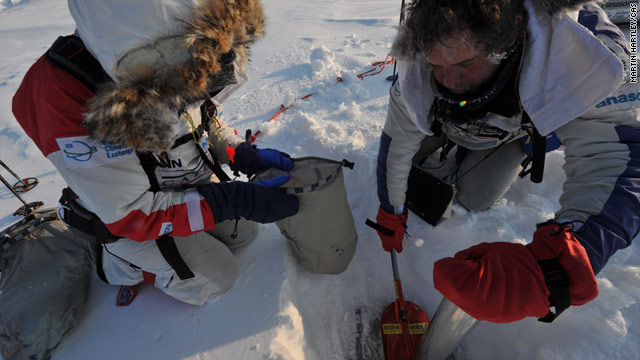
Two teams of explorers and scientists are on their way to the Arctic for the first international project to measure the amount of carbon dioxide in water beneath the ice.Three British explorers will be airlifted to a remote location in the Arctic Ocean to start a 50-day trek towards the geographic North Pole in temperatures as low as minus 75 degrees Celsius, including wind chill.A second team of international experts on ocean acidification will be working from a temporary ice base on Ellef Ringnes Island, on the edge of the Arctic Ocean near the Canadian coast.Both teams will be drilling into the ice to collect water samples used to measure the amount of carbon dioxide in the water at various depths, according to the director of the Catlin Arctic Survey, arctic explorer Pen Hadow.Read more about the explorers' challenge"There is very little if any information about to what extent increasing levels of carbon dioxide in recent times has acidified the waters under the ice," Hadow said.Oceans are believed to absorb around one third of the CO2 in the atmosphere, according to the Fourth Assessment report from the Intergovernmental Panel on Climate Change (IPCC).Ocean acidification refers to the increasing acidity of sea water as carbon dioxide is absorbed from the earth's atmosphere. The ocean's acidity is measured by its pH level, which since 1750 has dropped by 0.1 units, according to the IPCC report.Some scientists believe the ice acts as a cap that prevents carbon dioxide being absorbed into the water. Others believe carbon dioxide is able to move through pores in the ice into the water.Part of the team's research will include the permeability of sea ice to carbon dioxide and the likely impact the thawing of large areas of ice will have on future CO2 levels in the sea.The last time the Catlin Arctic Survey team ventured into the Arctic, in 2009, they measured ice thickness and concluded that ice could stop forming over the Arctic Ocean during summer in as little as 20 years."The sea ice is looking like it's not going to be a year round feature in the next 20 or 30 years. So the lid is coming off an ocean which is suddenly able to absorb carbon dioxide in a way that it hasn't been able to before," Hadow said.This year's expedition will also test the likely impact of rising carbon dioxide levels on microscopic sea life.Zooplankton and phytoplankton will be exposed to levels of CO2 that some scientists say could be present in the oceans by 2100 if the world keeps emitting carbon dioxide at current levels."The prediction is that shell-based organisms will start to lose these shells because you're creating more carbonic acid in the water," said the survey's science manager, Dr Tim Cullingford.A research paper published in the Nature Geoscience earlier this month suggested that oceans are acidifying at their fastest rate in 65 million years.Researchers from Bristol University compared the current rate of acidification to a sudden rise in temperatures at the Paleocene-Eocene boundary.Then, surface ocean temperatures rose by up to six degrees Celsius within a few thousand years causing "widespread extinction" of organisms living deep down on the ocean floor."The widespread extinction of these ocean floor organisms during the Paleocene-Eocene greenhouse warming and acidification event tells us that similar extinctions in the future are possible," said the paper's lead author, Dr. Andy Ridgwell.The report said laboratory tests showed that lower pH levels in the sea could result in the dissolution of shells, slower growth, muscle wastage and dwarfism which could have knock-on effects on the whole ecosystem.The scientists at the Catlin Arctic Survey ice base will include experts from Plymouth Marine Laboratory, the European Project on Ocean Acidification (EPOCA), Université Pierre et Marie Curie-Paris 6, Villefranche and Fisheries and Oceans Canada.On their return in late April, the data will be distributed to about 13 organizations for examination worldwide.

Wednesday, February 24, 2010

Dust in Earth System Can Affect Oceans, Carbon Cycle, Temperatures, and Health

Dust is a powerful thing. Not the stuff that we wipe off the coffee table on a regular basis, but the tiny particles floating around in the earth's atmosphere, which originate primarily from deserts in North Africa and the Middle East.

It can affect the oceans, impact the carbon cycle and even have an effect on global temperature.

Dust, and its impact on our planet, was the focus of a symposium recently at the American Association for the Advancement of Science (AAAS) Annual Meeting, in San Diego, California. The discussion began with a presentation by NSERC-funded researcher Dr. Karen Kohfeld from Simon Fraser University.

Dr. Kohfeld is the leader of the climate, oceans and paleo-environments laboratory at the university. Her research focuses on paleo-climate, or using past climates and geologic data to see how well our current climate models are doing. She invented the Dust Indicators and Records of Terrestrial and Marine Palaeoenvironments (DIRTMAP) database which has been used over the past decade by several modeling groups to test whether their representation of the dust cycle is realistic.

"It has been used to demonstrate that both increases in winds and decreases in vegetation cover were important contributors to the dustiness of the last ice age," she writes.

At the conference, Dr. Kohfeld presented an overview of how dust changes and interacts within the Earth system, as her newer work has focused on the role of dust as a feedback within the Earth system, specifically its relevance to the ocean carbon cycle.

She says dust in the atmosphere is a constant in climate studies, given that it is almost everywhere and has seen significant changes throughout history.

Dr. Kohfeld stresses the importance of the dust cycle because of its impact on the carbon cycle. Dust contains iron and other nutrients essential for many organisms. Dust deposition in oceans, freshwater and terrestrial ecosystems can fertilize these areas, resulting in increased growth of vegetation, which in turn leads to less carbon dioxide in the atmosphere.

"Dust is a really good example of how land, atmosphere and climate are connected," she says.

She adds that she is hoping to create better models for understanding the dust cycle and understanding how changes to it will affect the oceans, the carbon cycle and, ultimately, us.

The symposium, entitled "Dust in the Earth System," also brought up issues of health in relation to the dust cycle.


Thursday, February 11, 2010

Carbonate Veins Reveal Chemistry of Ancient Seawater


The chemical composition of our oceans is not constant but has varied significantly over geological time. In a study published in Science, researchers describe a novel method for reconstructing past ocean chemistry using calcium carbonate veins that precipitate from seawater-derived fluids in rocks beneath the seafloor.

The research was led by scientists from the University of Southampton's School of Ocean and Earth Science (SOES) hosted at the National Oceanography Centre, Southampton (NOCS).

"Records of ancient seawater chemistry allow us to unravel past changes in climate, plate tectonics and evolution of life in the oceans. These processes affect ocean chemistry and have shaped our planet over millions of years," said Dr Rosalind Coggon, formerly of NOCS now at Imperial College London.

"Reconstructing past ocean chemistry remains a major challenge for Earth scientists, but small calcium carbonate veins formed from warm seawater when it reacts with basalts from the oceanic crust provide a unique opportunity to develop such records," added co-author Professor Damon Teagle from SOES.

Calcium carbonate veins record the chemical evolution of seawater as it flows through the ocean crust and reacts with the rock. The composition of past seawater can therefore be determined from suites of calcium carbonate veins that precipitated millions of years ago in ancient ocean crust.

The researchers reconstructed records of the ratios of strontium to calcium (Sr/Ca) and magnesium to calcium (Mg/Ca) over the last 170 million years. To do this, they analysed calcium carbonate veins from basaltic rocks recovered by several decades of scientific deep-ocean drilling by the Integrated Ocean Drilling Program (IODP) and its predecessors.

"The carbonate veins indicate that both the Sr/Ca and Mg/Ca ratios of seawater were significantly lower than at present prior to about 25 million years ago. We attribute the increases in seawater Sr/Ca and Mg/Ca since then to the long-term effects of decreased seafloor volcanism and the consequent reduction in chemical exchange between seawater and the ocean crust," said Professor Teagle.

The research was supported by the United Kingdom's Natural Environment Research Council and used samples provided by the Ocean Drilling Program (ODP) and Integrated Ocean Drilling Program (IODP). ODP was sponsored by the US National Science Foundation (NSF) and participating countries under management of Joint Oceanographic Institutions Inc. IODP is supported by NSF; Japan's MEXT; ECORD; and the People's Republic of China, Ministry of Science and Technology.

The researchers are Rosalind M. Coggon (Imperial College London), Damon A.H. Teagle, Christopher E. Smith-Duque, and Matthew J. Cooper (SOES, University of Southampton) and Jeffrey C. Alt (University of Michigan)

Tuesday, January 26, 2010

Bubble Physicist Counts Bubbles in Ocean to Answer Questions About Climate, Sound, Light


The bubbles in your champagne that appear to jump out of your glass and tickle your nose are exhibiting a behavior quite similar to the tiny bubbles found throughout the world's oceans, according to bubble physicist Helen Czerski.


But while the champagne bubbles are likely to raise your spirits, those in the ocean can cause clouds to form and affect the climate.

"Bubbles are little packets of gases that rise or fall and can be carried around as if they're on little conveyor belts," said Czerski, a post-doctoral fellow at the University of Rhode Island Graduate School of Oceanography. "They carry carbon dioxide and oxygen from the atmosphere down into the ocean, and then when they go back up again they pop and sulfur compounds from marine plants are sent upward, forming particles in the air that lead to the formation of clouds."

Czerski is studying how to detect and count ocean bubbles of different sizes to help scientists in other disciplines create more accurate models. She said that scientists have found it difficult to judge the effect of bubbles on their data for years and usually have had to add a "fudge factor" to account for them.

"For instance, bubbles ring like bells when they are formed or when sound waves go past them, and if you're studying sounds traveling through the ocean -- like sounds from whales or sonar -- bubbles can get in the way of what you're trying to listen for," said Czerski, who earned a Ph.D. from Cambridge University before spending a year studying bubbles at Scripps Institution of Oceanography in San Diego and then moving to URI.

"Bubbles also scatter light strongly in the oceans and make things cloudy, so if you're studying light in the ocean you need to understand bubbles," she added.

The URI scientist uses an acoustical resonator to detect and count bubbles of different sizes in the water column. The device can detect bubbles from 3 to 170 microns in size, and she is assessing the accuracy and uncertainty in the measurements.

She recently used the resonator to collect bubble data near the Hawaiian Islands and in the Santa Barbara Channel off Southern California. She counts bubbles down to 10 meters deep -- most bubbles don't go down much further than that, she said. The big ones float back to the surface while the smallest ones gets squeezed out by the pressure as they sink.

"Just after a wave breaks, there are loads of bubbles and they're changing really, really quickly," Czerski explained. "They're stretching and squishing and bumping into each other and breaking into smaller bubbles and they're doing it all too fast for us to see directly. Whenever they break up, each new bubble makes a 'ping' sound, and if you hear it you can say something about those new bubbles."

Czerski said that understanding the physics of bubbles is increasingly important as climate models become more and more refined.

"We need to study bubble distribution and where they go in the water column to understand the exchange of gases that they carry," she said.

According to Czerski, while carbon dioxide and oxygen get carried into the ocean via bubbles, a chemical compound produced by phytoplankton gets carried out of the ocean via bubbles.

"No one really knows why phytoplankton create dimethyl sulfide, but they do, and it passes into bubbles and is carried up and out," she said. "These bubbles supply sulfur to the atmosphere, which acts as a seed for cloud droplets to form.

"Climate is made up of a whole bunch of little things, including bubbles, and these little things matter because there are lots of them," Czerski said.

Czerski began studying bubbles after earning a Ph.D. in a field she described as "blowing things up," which included becoming expert at high-speed photography. She then looked for disciplines in which she could apply this knowledge.

"I've always been fascinated by small things that do stuff that's too fast for us to see," she said. "And I like building experiments that help us see those things."

She learned to scuba dive in order to deploy instruments for measuring bubbles, and she now believes that getting in the water is a vital step for any aspiring bubble scientist.

"You can't really understand what's going on under the sea unless you go there yourself," Czerski concluded. "There is a huge benefit to directly experiencing the world you're studying. The rules are different down there."


Thursday, January 21, 2010

Measuring Carbon Dioxide Over the Ocean


Reliable measurements of the air-sea flux of carbon dioxide -- an important greenhouse gas -- are needed for a better understanding of the impact of ocean-atmosphere interactions on climate. A new method developed by researchers at the National Oceanography Centre, Southampton (NOCS) working in collaboration with colleagues at the Bjerknes Center for Climate Research (Bergen, Norway) promises to make this task considerably easier.

Infrared gas sensors measure carbon dioxide based on its characteristic absorption spectra and are used to evaluate the air-sea flux of the gas. So-called closed-path sensors precondition air before measurements are made, while open-path sensors can be used to measure the air in situ.

One advantage of using open-path sensors at sea is that wind measurements can be taken contemporaneously in the same place. Moreover, because they are small and don't use much power they can be used on buoys.

"Open-path sensors have the potential greatly to increase our understanding of the variability of air-sea carbon dioxide fluxes," said PhD student John Prytherch of the University of Southampton's School of Ocean and Earth Science at NOCS.

However, a long-standing concern has been that the values from open-path sensors do not tally with those from closed-path sensors, or with measurements made using other techniques.

"Other scientists have been sceptical about the reliability of carbon dioxide flux measurements taken at sea using open-path sensors," says Prytherch: "However, we now believe that we understand the reason for the discrepancy and that we can correct for it."

The problem turns out to be that the sensors are sensitive to humidity, meaning that fluctuations in the amount of water vapour in the sample air skew the carbon dioxide measurements. This is probably caused by salt particles on the sensor lens that absorb water.

Having identified the problem, Prytherch and his colleagues developed and rigorously tested a novel method for correcting the data for the cross-sensitivity to humidity.

Data were collected aboard the Norwegian weather ship Polarfront, equipped with a battery of instruments to measure wind speed, humidity and carbon dioxide. Even the motion of the ship was monitored.

The researchers noted that the carbon dioxide fluxes calculated from open-path sensor data were clearly too high and affected by humidity. They were also very variable, suggesting that the effect is caused by salt on the optics, which accumulate before being washed off by rain. Indeed, the researchers were able to mimic this effect in the laboratory.

However, after correction using their newly developed method, the calculated carbon dioxide fluxes were in line with previous studies that used different sensors or techniques.

"This robust method opens the way for widespread use of open-path sensors for air-sea carbon dioxide flux estimation," said Dr Margaret Yelland of NOCS: "This will greatly increase the information available on the transfer of carbon dioxide between the air and sea -- information crucial for understanding how the ocean-atmosphere interaction impacts climate."

The work was supported by the United Kingdom's Natural Environment Research Council and is part of the UK SOLAS project HiWASE (High Wind Air-Sea Exchanges).

The researchers are John Prytherch, Margaret Yelland, Robin Pascal and Bengamin Moat (NOCS), and Ingunn Skjelvan and Craig Neill (Bjerknes Center for Climate Research, Bergen, Norway).

Adapted from materials provided by National Oceanography Centre, Southampton (UK).

Wednesday, December 30, 2009

Fishermen Say Carbon Dioxide Having ‘Really Scary’ Ocean Effect


Jeremy Brown, a fisherman from the Pacific Northwest, is pulling things from the ocean he says are so disturbing that he came to Washington to warn U.S. lawmakers about it.

"This is not overfishing, this is something far larger," said Brown, one of 10 people who met with lawmakers and legislative aides this week on behalf of the Sustainable Fisheries Partnership, a San Francisco-based group that advises seafood producers on fishing practices.

The group said the ocean is becoming more acidic because of carbon-dioxide emissions that are damaging coral reefs, decimating populations of tiny animals at the base of the food chain and eating away at the shells of clams, mussels and oysters.

"Every so often we snag a piece of coral on the gear," Brown, of Bellingham, Washington, said in an interview. "It doesn't look healthy, the color has gone out of it. The evidence is that we have instabilities in the system, and this last year was really scary."

Rajendra Pachauri, chairman of a United Nations scientific advisory panel on climate change, highlighted ocean acidification this week in remarks at the global conference on greenhouse gases in Copenhagen.

World trade in seafood products is valued at $100 billion and feeds 3 billion people, according to the fisheries partnership. That production is threatened by rising acidity, caused by the ocean absorbing more carbon from the atmosphere, and by the effects of agricultural runoff, said Mark Green, a professor of oceanography at St. Joseph's College of Maine in Portland, who accompanied the fishermen on the trip.

Collins, Murkowski

The group met with Republican Senators Susan Collins of Maine and Lisa Murkowski of Alaska and aides to other coastal senators during a three-day visit.

Small snails and other tiny animals at the base of the food chain are disappearing at alarming rates, jeopardizing the health of pink salmon and other fish that feed on them, said Green, who lives on Maine's Peaks Island.

"What we see with ocean acidification, we are seeing on time scales that are far more rapid than any sort of changes we are seeing on terrestrial systems," said Green. "People who weren't able to agree with climate-change science will have an easier time accepting the science on acidification.
"

The U.K.-based Marine Climate Change Impacts Partnership reported in April that acidification has increased 30 percent since the start of the industrial revolution, a rate faster than at any time in the last 65 million years

More acidic water eats away at clam, oyster and mussel shells, said Mark Wiegardt, who raises shellfish larvae in Tillamook, Oregon, and sells them to commercial harvesters.

"The shells stop growing and the acidic water literally dissolves the calcium of the shells," Wiegardt said.

Wiegardt said he has seen an 80 percent cut in production in 2008 and a 40 to 50 percent drop this year.

To contact the reporter on this story: Daniel Whitten in Washington at
dwhitten2@bloomberg.net

Thursday, December 24, 2009

Rise in Human-Made Carbon Dioxide Affects Ocean Acoustics


Carbon dioxide emissions from human activities aren't just warming the planet. Another problem of rising atmospheric carbon dioxide is that CO2 is being absorbed by the oceans, which increases seawater acidity (lowers the seawater pH). This process, termed 'ocean acidification', has received growing scientific and public interest because it threatens certain groups of marine organisms, including corals. Only recently have researchers realized that human-made carbon dioxide not only warms and acidifies the ocean -- it also affects acoustical properties of seawater, making it more transparent to low-frequency sound.

Oceanographers Tatiana Ilyina and Richard Zeebe of the School of Ocean and Earth Science and Technology at the University of Hawaii at Manoa, together with Peter Brewer of the Monterey Bay Aquarium Research Institute write in the journal Nature Geoscience that seawater sound absorption will drop by up to 70% during this century. The scientists have examined the effects of man-made carbon dioxide under business-as-usual emissions and provide projections of the magnitude, time scale, and regional extent of changes in underwater acoustics resulting from ocean acidification.

When carbon dioxide dissolves in seawater, it produces carbonic acid and increases the hydrogen ion concentration (acidity). The seawater pH has declined by about 0.1 units compared to preindustrial levels -- corresponding to about 25% increase in acidity. These changes may appear small, but pH is measured on a logarithmic scale -- analogous to the Richter scale, which measures the strength of Earthquakes. For example, a drop of pH by one unit implies a ten-fold increase in acidity. Low-frequency sound absorption depends on the concentration of dissolved chemicals such as boric acid, which in turn, depends on seawater pH. This is the reason why changes in seawater pH affect ocean acoustics.

"If we continue to emit carbon dioxide at business-as-usual rates, the pH of surface seawater will drop by 0.6 units by the year 2100. As a result, the absorption of 200 Hz sound would decrease by up to 70%," says Tatiana Ilyina. For example, the middle C of the piano is tuned to 261.6 Hz; in the ocean, sound around this frequency is produced by natural phenomena such as rain, wind, and waves), by marine mammals, and by human activities such as construction, shipping, and use of sonar systems.

"Most people know that when they turn on the air conditioner or drive a vehicle, they emit carbon dioxide, which causes climate change and ocean acidification. The surprise now is that it also affects sound absorption in the ocean," says Zeebe. "What is happening over time is that the low frequencies become louder at distance. It's similar to the effect when you slowly turn up the bass on your stereo."

However, underwater sound propagation is much more complex; it depends on spatial distribution of sound sources and environmental parameters. Some areas in the ocean will be affected more strongly than others. Areas with large sound absorption reduction and intense noise sources, for example from shipping, could become "acoustic hot spots" in the future. The largest changes are projected to occur in the surface ocean waters in high latitudes, for instance, in the North Pacific and in the Southern Ocean, and in the areas of deep water formation such as the North Atlantic, where man-made CO2invasion is the greatest.

Sound can travel farther at depth of about 1000 m (the depth of the so called deep sound channel) than at the surface. Most of the anthropogenic and natural sounds are generated at the surface, but they can leak into the deep sound channel, bend there, and travel over thousands of kilometers in the ocean (see Figure). "With time, as anthropogenic CO2 penetrates into the deep ocean, the changes in sound absorption will also propagate well below the deep sound channel axis," says Ilyina. "Sound absorption will continue to decrease even after reductions in CO2 emissions because ocean pH will continue to decrease."

Human activities such as naval, commercial, and scientific applications extensively use low-frequency sound due to its long-range propagation. Also marine mammals rely on low-frequency sound to find food and mates. As a result, ocean acidification may not only affect organisms at the bottom of the food chain by reducing calcification in plankton and corals, but also higher trophic level species, such as marine mammals by lowering sound absorption in the ocean.

"We don't fully understand what the impacts of these changes in ocean acoustics will be," says Ilyina. "Because of decreasing sound absorption, underwater sound could travel farther, and this could lead to growing noise levels in the oceans. Increasing transparency of the oceans to low-frequency sounds could also enable marine mammals to communicate over longer distances." The scientists say that further research is needed to address these questionsAdapted from materials provided by University of Hawaii at Manoa, via EurekAlert!, a service of AAAS.

Wednesday, December 02, 2009

In Carbon Dioxide-Rich Environment, Some Ocean Dwellers Increase Shell Production


In a striking finding that raises new questions about carbon dioxide's (CO2) impact on marine life, Woods Hole Oceanographic Institution (WHOI) scientists report that some shell-building creatures -- such as crabs, shrimp and lobsters -- unexpectedly build more shell when exposed to ocean acidification caused by elevated levels of atmospheric carbon dioxide (CO2).


Because excess CO2 dissolves in the ocean -- causing it to "acidify" -- researchers have been concerned about the ability of certain organisms to maintain the strength of their shells. Carbon dioxide is known to trigger a process that reduces the abundance of carbonate ions in seawater -- one of the primary materials that marine organisms use to build their calcium carbonate shells and skeletons.
The concern is that this process will trigger a weakening and decline in the shells of some species and, in the long term, upset the balance of the ocean ecosystem.
But in a study published in the Dec. 1 issue of Geology, a team led by former WHOI postdoctoral researcher Justin B. Ries found that seven of the 18 shelled species they observed actually built more shell when exposed to varying levels of increased acidification. This may be because the total amount of dissolved inorganic carbon available to them is actually increased when the ocean becomes more acidic, even though the concentration of carbonate ions is decreased.
"Most likely the organisms that responded positively were somehow able to manipulate…dissolved inorganic carbon in the fluid from which they precipitated their skeleton in a way that was beneficial to them," said Ries, now an assistant professor in marine sciences at the University of North Carolina. "They were somehow able to manipulate CO2…to build their skeletons."
Organisms displaying such improvement also included calcifying red and green algae, limpets and temperate urchins. Mussels showed no effect.
"We were surprised that some organisms didn't behave in the way we expected under elevated CO2," said Anne L. Cohen, a research specialist at WHOI and one of the study's co-authors. "What was really interesting was that some of the creatures, the coral, the hard clam and the lobster, for example, didn't seem to care about CO2 until it was higher than about 1,000 parts per million [ppm]." Current atmospheric CO2 levels are about 380 ppm, she said. Above this level, calcification was reduced in the coral and the hard clam, but elevated in the lobster
The "take-home message, " says Cohen, is that "we can't assume that elevated CO2 causes a proportionate decline in calcification of all calcifying organisms." WHOI and the National Science Foundation funded the work.
Conversely, some organisms -- such as the soft clam and the oyster -- showed a clear reduction in calcification in proportion to increases in CO2. In the most extreme finding, Ries, Cohen and WHOI Associate Scientist Daniel C. McCorkle exposed creatures to CO2 levels more than seven times the current level.
This led to the dissolving of aragonite -- the form of calcium carbonate produced by corals and some other marine calcifiers. Under such exposure, hard and soft clams, conchs, periwinkles, whelks and tropical urchins began to lose their shells. "If this dissolution process continued for sufficient time, then these organisms could lose their shell completely," he said, "rendering them defenseless to predators."
"Some organisms were very sensitive," Cohen said, "some that have commercial value. But there were a couple that didn't respond to CO2 or didn't respond till it was sky-high -- about 2,800 parts per million. We're not expecting to see that [CO2 level] anytime soon."
The researchers caution, however, that the findings -- and acidification's overall impact -- may be more complex than it appears. For example, Cohen says that available food and nutrients such as nitrates, phosphates and iron may help dictate how some organisms respond to carbon dioxide.
"We know that nutrients can be very important," she says. "We have found that corals for example, that have plenty of food and nutrients can be less sensitive" to CO2. "In this study, the organisms were well fed and we didn't constrain the nutrient levels.
"I wouldn't make any predictions based on these results. What these results indicate to us is that the organism response to elevated CO2 levels is complex and we now need to go back and study each organism in detail."
Ries concurs that any possible ramifications are complex. For example, the crab exhibited improved shell-building capacity, and its prey, the clams, showed reduced calcification. "This may initially suggest that crabs could benefit from this shift in predator-pray dynamics. But without shells, clams may not be able to sustain their populations, and this could ultimately impact crabs in a negative way, as well," Ries said.
In addition, Cohen adds, even though some organisms such as crabs and lobsters appear to benefit under elevated CO2 conditions, the energy they expend in shell building under these conditions "might divert from other important processes such as reproduction or tissue building."
Since the industrial revolution, Ries noted, atmospheric carbon dioxide levels have increased from 280 to nearly 400 ppm. Climate models predict levels of 600 ppm in 100 years, and 900 ppm in 200 years.
"The oceans absorb much of the CO2 that we release to the atmosphere," Ries says. However, he warns that this natural buffer may ultimately come at a great cost.
"It's hard to predict the overall net effect on benthic marine ecosystems, he says. "In the short term, I would guess that the net effect will be negative. In the long term, ecosystems could re-stabilize at a new steady state.
"The bottom line is that we really need to bring down CO2 levels in the atmosphere." Adapted from materials provided by Woods Hole Oceanographic Institution.

Monday, November 30, 2009

Oceans Absorbing Carbon Dioxide More Slowly, Scientist Finds


The world's oceans are absorbing less carbon dioxide (CO2), a Yale geophysicist has found after pooling data taken over the past 50 years. With the oceans currently absorbing over 40 percent of the CO2 emitted by human activity, this could quicken the pace of climate change, according to the study, which appears in the November 25 issue of Geophysical Research Letters.

Jeffrey Park, professor of geology and geophysics and director of the Yale Institute for Biospheric Studies, used data collected from atmospheric observing stations in Hawaii, Alaska and Antarctica to study the relationship between fluctuations in global temperatures and the global abundance of atmospheric CO2 on interannual (one to 10 years) time scales. A similar study from 20 years ago found a five-month lag between interannual temperature changes and the resulting changes in CO2 levels. Park has now found that this lag has increased from five to at least 15 months.

"No one had updated the analysis from 20 years ago," Park said. "I expected to find some change in the lag time, but the shift was surprisingly large. This is a big change."

With a longer lag time, atmospheric CO2 can no longer adjust fully to cyclical temperature fluctuations before the next cycle begins, suggesting that the oceans have lost some of their ability to absorb CO2 from the atmosphere. Weaker CO2 absorption could be caused by a change in ocean circulation or just an overall increase in the surface temperature. "Think of the oceans like soda," Park said. "Warm cola holds less fizz," Park said. "The same thing happens as the oceans warm up."

Increases in CO2 levels have tended to precede increases in temperature over the past century, with the human influence on climate accumulating over many decades of burning fossil fuels and clearing forests. However, this relationship is reversed on interannual time scales, with multiyear temperature cycles leading multiyear cycles in CO2 levels.

Park found particularly strong correlations between sea-surface temperatures and CO2 levels in tropical ocean areas. Conversely, in places with a lot of trees and other biomass to soak up much of the atmospheric CO2, there was little or no correlation between temperature and CO2 on interannual time scales. In those places, such as the vast forests of North America and Eurasia, a large annual CO2 cycle synchronizes with the seasonal growth and decay of plants.

"Researchers have used climate models that suggest the oceans have been absorbing less CO2, but this is the first study to quantify the change directly using observations," Park said. "It strengthens the projection that the oceans will not absorb as much of our future CO2 emissions, and that the pace of future climate change will quicken."


Friday, November 20, 2009

Are the Earth's Oceans Hitting Their Carbon Cap?


Like the vast forests of the world, which continually suck carbon dioxide from the atmosphere and release oxygen, the planet's oceans serve as vital carbon sinks. Last year the oceans absorbed as much as 2.3 billion tons of carbon, or about one-fourth of all manmade carbon emissions. Without the action of the oceans, the CO2 we emit into the atmosphere would have flame-broiled the planet by now. But a new paper published in the Nov. 19 issue of Nature demonstrates that the oceans' ability to absorb man-made carbon may be dwindling — and that has worrying ramifications for future climate change. While the ocean is now absorbing more carbon in total than ever before, the waters are sucking up a smaller percentage of the CO2 emitted by humans. That could mean that there's a physical limit to the oceans' capacity — and we could be hitting it. Led by Samar Khatiwala, an oceanographer at Columbia University's Lamont-Doherty Earth Observatory, a team of researchers reconstructed the amount of carbon that had been annually absorbed by the oceans going back to 1765 — around the time when people began putting large amounts of CO2 into the atmosphere. "Over time it seems the oceans are becoming less efficient at taking up manmade carbon," says Khatiwala. "That's concerning over the long term."Scientists have long known that the ocean is a major carbon sink, but it's been difficult to tease out how much of that carbon comes from man-made processes. Khatiwala and his colleagues solved that problem by mathematically charting seawater temperature, salinity and other measures, and then worked backwards to infer how much man-made carbon was being circulated from the surface and through the deeper waters. They estimated that there are currently 150 billion tons of carbon from man-made sources currently sequestered in the ocean — so much that if all that gas were to be released back into the atmosphere, it would raise carbon concentrations levels to 460 parts per million, already higher than what many scientists believe is the upper safe limit. "What we show is that the ocean sink is enormous," says Khatiwala. Enormous, but not limitless. Carbon emissions from fossil fuels have skyrocketed in recent years — a new study by the University of East Anglia and the British Antarctic Survey estimated that emissions have jumped 29% since 2000. The Nature study found that over the same time period the proportion of fossil-fuel emissions absorbed by the oceans had fallen by as much as 10%. Though it's not clear why, the fact seems to be that the oceans absorption ability can't keep up with the rate at which we're burning fossil fuels. That's worrying, because even under the most optimistic projections, man-made carbon emissions aren't likely to decline for years. "There's a physical limit to how rapidly the oceans can absorb CO2," says Khatiwala. "The ocean becomes a less efficient sink."The consequences are many. As the ocean absorbs more and more carbon, it acidifies — think of the acidic fizz in a carbonized beverage. That injures ocean life — especially the vulnerable coral reefs that are home to wildly diverse marine species. And as the ocean warms due to climate change, it will be less able to absorb carbon too — cold water is more absorptive than warm water. But, ultimately, what the Nature study shows is that the climate system is dynamic, capable of responding in ways we can't predict. If the oceans won't take the carbon we're spewing into the atmosphere, it will put that much pressure on us to cut back our emissions — lest the cycle truly spin out of hand. "We have enough reasons to cut carbon," says Khatiwala. "This is just one more."By Bryan Walsh CNN

Friday, April 10, 2009

Genes From Tiny Algae Shed Light On Big Role Managing Carbon In World's Oceans


Scientists from two-dozen research organizations led by the U.S. Department of Energy (DOE) Joint Genome Institute (JGI) and the Monterey Bay Aquarium Research Institute (MBARI) have decoded genomes of two algal strains, highlighting the genes enabling them to capture carbon and maintain its delicate balance in the oceans. These findings, from a team led by Alexandra Z. Worden of MBARI and published in the April 10 edition of the journal Science, will illuminate cellular processes related to algae-derived biofuels being pursued by DOE scientists.


The study sampled two geographically diverse isolates of the photosynthetic algal genus Micromonas—one from the South Pacific, the other from the English Channel. The analysis identified approximately 10,000 genes in each, compressed into genomes totaling about 22 million nucleotides. "Yet, surprisingly, they are far more diverse than we originally thought," said Worden. "These two picoeukaryotes, often considered to be the same species, only share about 90 percent of their genes."
To put this in perspective, humans and some primates have about 98 percent genes in common. Worden said that the algae's divergent gene complement may cause them to access and respond to the environment differently. "This also means that as the environment changes, these different populations will be subject to different effects, and we don't know whether they will respond in a similar fashion." She said that their apparently broad physiological range (exemplified by their expansive geographical range) may result in increased resilience as compared to closely related species, enabling them to survive environmental change better than organisms with a narrower geographic range. Testing the hypotheses developed through cataloging their respective inventory of genes, Worden said, will go a long way towards understanding their biology and ecology.
Algae were blazing the pathway of photosynthesis long before plants colonized land—so the results bear significantly on terrestrial plant research as well.
"Genome sequencing of Micromonas and the subsequent comparative analysis with other algae previously sequenced by DOE JGI and Genoscope [France], have proven immensely powerful for elucidating the basic 'toolkit' of genes integral not only to the effective carbon cycling capabilities of green algae, but to those they have in common with land plants," said Eddy Rubin, DOE JGI Director.
Tiny Micromonas, less than two microns in diameter, or roughly a 50th of the width of a human hair, are one of the few globally distributed marine algal species, thriving throughout the world's oceans from the tropics to the poles. They capture CO2, sunlight, water, and nutrients and produce carbohydrates and oxygen. Their productivity—which provides food resources within marine food webs—as well as their knack for capturing carbon, and influencing the carbon flux that may have bearing on climate change, make these algae keen target of study.
"Micromonas is a representative of a well-sampled group of green algae with the largest number of sequenced genomes. With these four genomes in hand--two Micromonas and two Ostreococcus--we can observe patterns of genome organization as well as the diversity between different organisms in this group," said JGI's Igor Grigoriev, one of the senior authors of the paper.
Embedded in the genetic code are clues about how photosynthesis transformed from a barren orb into the earth we know today.
"The Micromonas genomes encapsulate features that now appear to have been common to the ancestral algae that initiated the billion-year trajectory that led to the 'greening'—the rise of land plants—of the planet," said Worden. As highlighted in the Science article, comparing the strains to each other and in turn to the other characterized algal and plant genomes, will help to illustrate the dynamic nature of evolutionary processes and provide a springboard for unraveling the functional aspects of these and other phytoplankton populations.
Motility is another distinguishing aspect of the ecology of Micromonas. In the relatively viscous saltwater of the ocean, the flagellated Micromonas could give Michael Phelps a run for his money. Unlike other algae genera sequenced to date, these swift swimmers can cut through the water column at a rate of 50 body lengths per second, and are phototactic, meaning that they can swim towards the sunlight from which they derive their energy.
In previous studies, Worden and her colleagues showed that picoeukaryotes such as Micromonas comprised, on average, only a quarter of the picophytoplankton cells in a Pacific Ocean sampling, but were responsible for three-quarters of the net carbon production. They were also shown to be subject to heavy grazing pressure; their lack of a cell wall may make them more digestible as prey. In this case carbon may be efficiently sequestered by the "biological pump," the suite of processes that enable the algae to capture atmospheric carbon and transport it from the ocean surface zones to the depths below.
This research serves as a complement to field studies seeking to confirm emerging key players in global carbon fixation. "By understanding which genes a specific strain employs under certain conditions, we gain a view into the factors that influence the success of one group over another," Worden said. "We may then be able to develop models that could more effectively predict a range of possible future scenarios, that will result from current climate change." Micromonas may well serve as a bellwether for current and future ocean conditions, helping to guide appropriate decision making, which given the prevailing CO2 trends, is urgently needed.
The genome sequencing of Micromonas was conducted under the auspices of the DOE JGI Community Sequencing Program (CSP), supported by the DOE Office of Science.
Journal reference:
Worden et al. Green Evolution and Dynamic Adaptations Revealed by Genomes of the Marine Picoeukaryotes Micromonas. Science, 2009; 324 (5924): 268-272 DOI: 10.1126/science.1167222

Sunday, January 18, 2009

Fish Guts Explain Marine Carbon Cycle Mystery


New research reveals the major influence of fish on maintaining the delicate pH balance of our oceans, vital for the health of coral reefs and other marine life.The discovery, made by a team of scientists from the UK, US and Canada, could help solve a mystery that has puzzled marine chemists for decades. Published 16 January 2009 in Science, the study provides new insights into the marine carbon cycle, which is undergoing rapid change as a result of global CO2 emissions.Until now, scientists have believed that the oceans' calcium carbonate, which dissolves to make seawater alkaline, came from the external 'skeletons' of microscopic marine plankton. This study estimates that three to 15 per cent of marine calcium carbonate is in fact produced by fish in their intestines and then excreted. This is a conservative estimate and the team believes it has the potential to be three times higher.Fish are therefore responsible for contributing a major but previously unrecognised portion of the inorganic carbon that maintains the ocean's acidity balance. The researchers predict that future increases in sea temperature and rising CO2 will cause fish to produce even more calcium carbonate.To reach these results, the team created two independent computer models which for the first time estimated the total mass of fish in the ocean. They found there are between 812 and 2050 million tonnes (between 812 billion and 2050 billion kilos) of bony fish in the ocean. They then used lab research to establish that these fish produce around 110 million tonnes (110 billion kilos) of calcium carbonate per year.Calcium carbonate is a white, chalky material that helps control the delicate acidity balance, or pH, of sea water. pH balance is vital for the health of marine ecosystems, including coral reefs, and important in controlling how easily the ocean will absorb and buffer future increases in atmospheric CO2.This calcium carbonate is being produced by bony fish, a group that includes 90% of marine fish species but not sharks or rays. These fish continuously drink seawater to avoid dehydration. This exposes them to an excess of ingested calcium, which they precipitate into calcium carbonate crystals in the gut. The fish then simply excrete these unwanted chalky solids, sometimes called 'gut rocks', in a process that is separate from digestion and production of faeces.The study reveals that carbonates excreted by fish are chemically quite different from those produced by plankton. This helps explain a phenomenon that has perplexed oceanographers: the sea becomes more alkaline at much shallower depths than expected. The carbonates produced by microscopic plankton should not be responsible for this alkalinity change, because they sink to much deeper depths intact, often becoming locked up in sediments and rocks for millions of years. In contrast, fish excrete more soluble forms of calcium carbonate that are likely to completely dissolve at much shallower depths (e.g. 500 to 1,000 metres).Lead author Dr Rod Wilson of the University of Exeter (UK) said: "Our most conservative estimates suggest three to 15 per cent of the oceans' carbonates come from fish, but this range could be up to three times higher. We also know that fish carbonates differ considerably from those produced by plankton. Together, these findings may help answer a long-standing puzzle facing marine chemists, but they also reveal limitations to our current understanding of the marine carbon cycle."And what about the future? The researchers predict that the combination of increases in sea temperature and rising CO2 expected over this century will cause fish to produce even more calcium carbonate. This is for two reasons. Firstly, higher temperatures stimulate overall metabolism in fish, which drives all their biological processes to run faster. Secondly, increasing CO2 in their blood directly stimulates carbonate production by the gut specifically.Dr Rod Wilson continues: "We have really only just scratched the surface of knowing the chemistry and fate of fish carbonates. Given current concerns about the acidification of our seas through global CO2 emissions, it is more important than ever that we understand how the pH balance of the sea is normally maintained. Because of the impact of global climate change, fish are likely to have an even bigger influence on the chemistry of our oceans in future. So, it is vitally important that we build on this research to help fully understand these processes and how this will affect some of our most precious marine ecosystems."This study was carried out by the University of Exeter (UK), University of Miami (USA), University of Ottawa (Canada), University of British Columbia (Canada), Centre for Environment, Fisheries and Aquaculture Science (UK) and University of East Anglia (UK).Dr Rod Wilson's research was supported by the Biotechnology and Biological Sciences Research Council (BBSRC).Source: University of Exeter

Wednesday, July 09, 2008

Acidifying Oceans Add Urgency To Carbon Dioxide Cuts


It's not just about climate change anymore. Besides loading the atmosphere with heat-trapping greenhouse gases, human emissions of carbon dioxide have also begun to alter the chemistry of the ocean--often called the cradle of life on Earth.


The ecological and economic consequences are difficult to predict but possibly calamitous, warn a team of chemical oceanographers in the July 4 issue of Science, and halting the changes already underway will likely require even steeper cuts in carbon emissions than those currently proposed to curb climate change.
Ken Caldeira of the Carnegie Institution's Department of Global Ecology, writing with lead author Richard Zeebe of the University of Hawaii and two co-authors*, note that the oceans have absorbed about 40% of the carbon dioxide (CO2) emitted by humans over the past two centuries. This has slowed global warming, but at a serious cost: the extra carbon dioxide has caused the ocean's average surface pH (a measure of water's acidity) to shift by about 0.1 unit from pre-industrial levels. Depending on the rate and magnitude of future emissions, the ocean's pH could drop by as much as 0.35 units by the mid-21st century.
This acidification can damage marine organisms. Experiments have shown that changes of as little as 0.2-0.3 units can hamper the ability of key marine organisms such as corals and some plankton to calcify their skeletons, which are built from pH-sensitive carbonate minerals. Large areas of the ocean are in danger of exceeding these levels of pH change by mid-century, including reef habitats such as Australia's Great Barrier Reef.
Most marine organisms live in the ocean's sunlit surface waters, which are also the waters most vulnerable to CO2-induced acidification over the next century as emissions continue. To prevent the pH of surface waters from declining more than 0.2 units, the current limit set by the U.S. Environmental Protection Agency in 1976, carbon dioxide emissions would have to be reduced immediately.
"In contrast to climate model predictions, such future ocean chemistry projections are largely model-independent on a time scale of a few centuries," the authors write, "mainly because the chemistry of CO2 in seawater is well known and changes in surface ocean carbonate chemistry closely track changes in atmospheric CO2."
Although the ocean's chemical response to higher carbon dioxide levels is relatively predictable, the biological response is more uncertain. The ocean's pH and carbonate chemistry has been remarkably stable for millions of years--much more stable than temperature.
"We know that ocean acidification will damage corals and other organisms, but there's just no experimental data on how most species might be affected," says Caldeira. "Most experiments have been done in the lab with just a few individuals. While the results are alarming, it's nearly impossible to predict how this unprecedented acidification will affect entire ecosystems." Reduced calcification will surely hurt shellfish such as oysters and mussels, with big effects on commercial fisheries. Other organisms may flourish in the new conditions, but this may include undesirable "weedy" species or disease organisms.
Though most of the scientific and public focus has been on the climate impacts of human carbon emissions, ocean acidification is as imminent and potentially severe a crisis, the authors argue.
"We need to consider ocean chemistry effects, and not just the climate effects, of CO2 emissions. That means we need to work much harder to decrease CO2 emissions," says Caldeira. "While a doubling of atmospheric CO2 may seem a realistic target for climate goals, such a level may mean the end of coral reefs and other valuable marine resources."
* James Zachos, University of California, Santa Cruz, and Toby Tyrrell, Southampton University, U.K.
Adapted from materials provided by Carnegie Institution.